In summary:
- Effective ‘Leave No Trace’ for hunters goes beyond basic rules; it requires understanding the ecological ‘why’ behind each action.
- Properly disposing of human waste, campfire ashes, and even soap requires specific techniques to prevent long-term ecosystem damage.
- Honoring the harvest involves nose-to-tail utilization and strategic disposal of remains to avoid attracting predators and spreading disease.
- True stewardship moves from minimizing impact to actively improving habitat through restoration projects and personal accountability.
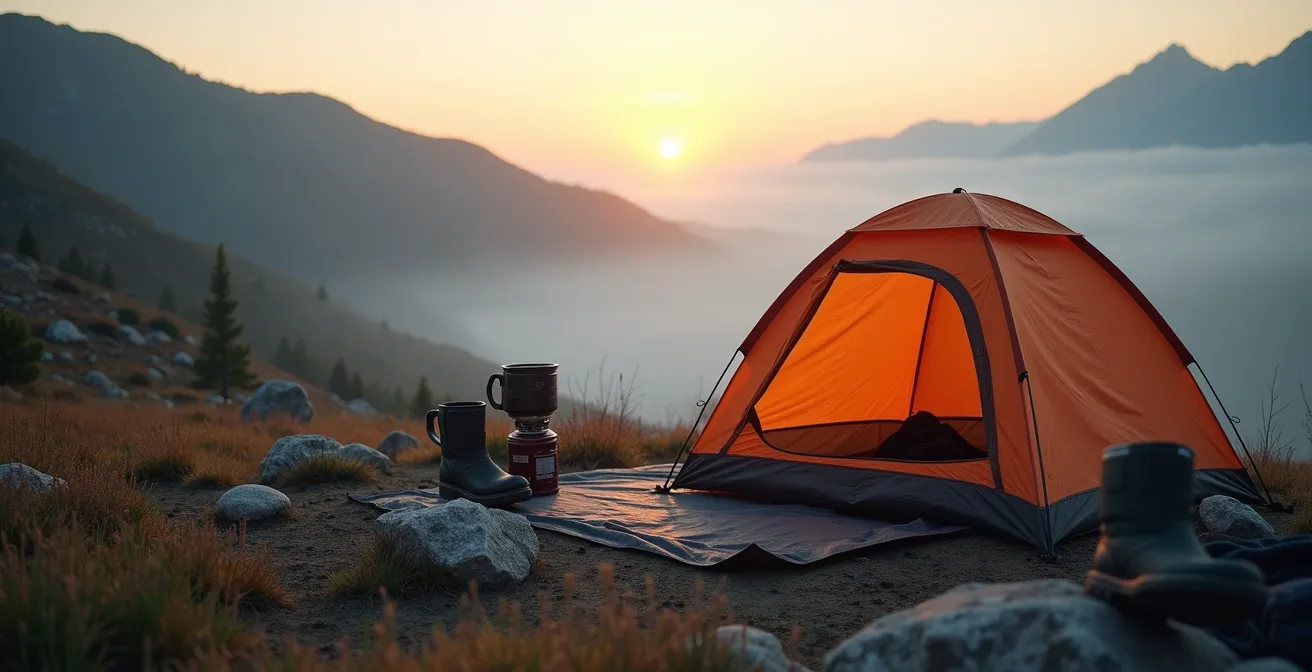
For the dedicated hunter, a camp in the backcountry is more than a temporary shelter; it’s an immersive base of operations in the heart of the wild. Most of us are familiar with the basic tenet of Leave No Trace (LNT): “pack it in, pack it out.” But for those who seek a deeper connection with the land, this principle is merely the starting point. The common advice to “be respectful” or “clean up your site” fails to capture the nuance required to truly leave no evidence of our presence, especially in the unique context of a hunting camp where activities range from field dressing to extended stays.
The real challenge isn’t just avoiding leaving trash; it’s about preventing the invisible impacts. It’s understanding how a simple bar of “biodegradable” soap can disrupt an entire aquatic food web, how the heat from a “dead” campfire can smolder underground for days, or how the placement of a gut pile can alter predator behavior. This is where the discipline of a hunter and the knowledge of a master educator converge. It’s about shifting from following rules to practicing a conscious land ethic, where every choice is informed by its potential ecological consequence.
This guide moves beyond the generic LNT checklist. We will delve into the specific, often-overlooked practices tailored for hunting camps. We will explore the science behind soil sterilization, the critical differences in waste disposal methods, the subtle art of sound discipline, and how to honor your harvest through ethical post-field dressing practices. The goal is to equip you with an advanced understanding, transforming you from a visitor in the wilderness into its most dedicated and knowledgeable steward.
To navigate these advanced principles, this article is structured to address the most critical and specific challenges faced at a hunting camp. Each section provides a deep dive into a core LNT topic, explaining not just the ‘what’ but the crucial ‘why’ behind each recommended action.
Summary: Advanced ‘Leave No Trace’ for the Modern Hunter
- Cat Holes vs Wag Bags: Which Human Waste Method Is Required?
- How to Sterilize Soil After a Campfire to Prevent Root Fires?
- Why Camping 200 Feet from Water Protects Riparian Zones?
- The Soap Mistake That Kills Aquatic Insects Near Camp
- Why Silence Is a Part of the Leave No Trace Ethic for Wildlife?
- Nose-to-Tail: How to Utilize Offal and Bones to Honor the Animal?
- Compost or Trash: How to Properly Dispose of Used Eco-Lures?
- How to Participate in Habitat Restoration Projects on Your Local Public Lands?
Cat Holes vs Wag Bags: Which Human Waste Method Is Required?
Disposing of human waste is one of the most critical responsibilities in the backcountry, yet it’s often misunderstood. The choice between digging a cathole and packing waste out in a WAG (Waste Alleviation and Gelling) bag isn’t a matter of personal preference; it’s dictated by the ecosystem’s ability to process waste. A cathole is only effective when dug 6-8 inches deep in rich, organic soil, allowing microbes to break down the waste. However, in many environments, this method is insufficient or even harmful.
In high-elevation alpine zones, arid deserts, or sensitive river corridors, the decomposition process slows to a near halt. As documented in a case study on high-elevation environments, desert soils lack the necessary organic material and moisture, causing waste to persist for years and contaminate the area. Similarly, river corridors mandate packing waste out to prevent water contamination. For this reason, many protected areas, including numerous National Parks, legally require the use of WAG bags. The fundamental rule is to be at least 200 feet (70 large steps) from water, trails, and camp when digging a cathole, but this is only the first consideration.
The decision requires an active assessment of your environment. Factors like soil composition, elevation, proximity to water, and local regulations must guide your choice. A large group or a multi-day camp can easily overwhelm the soil’s capacity, making pack-out the only responsible option even where catholes might otherwise be permitted. Thinking like a steward means prioritizing the ecosystem’s health over convenience.
Action Plan: Choosing Your Waste Disposal Method
- Assess ecosystem type: Alpine zones, deserts, and river corridors almost always require packing waste out due to extremely slow decomposition rates.
- Check soil depth and type: A proper cathole needs 6-8 inches of deep, organic soil. If the ground is rocky, shallow, or sandy, this method will fail.
- Consider trip duration and group size: Multi-day trips or groups larger than 4-6 people concentrate waste, exceeding the soil’s processing capacity. Disperse catholes widely or default to WAG bags.
- Verify local regulations: Always check the rules for the specific public land you are on. Many national parks, national forests, and wilderness areas mandate WAG bag use.
- Evaluate proximity to water: Even if catholes are allowed, you must be at least 200 feet from any water source to prevent contamination.
How to Sterilize Soil After a Campfire to Prevent Root Fires?
A campfire can be a source of warmth and morale, but it also poses one of the greatest risks to the landscape: underground fires. A fire that appears “out” on the surface can smolder for days in the underlying duff and root systems, only to erupt into a wildfire long after you’ve left. The concept of “sterilizing” the soil isn’t about killing microbes; it’s about eliminating all residual heat to prevent these devastating root fires. This requires a meticulous, hands-on process that goes far beyond a quick splash of water.

The process begins with allowing the fire to burn down completely to a fine, white ash. Large, unburnt pieces of wood are reservoirs of heat. Once only ash remains, follow these steps with absolute diligence:
- Slowly pour water over the entire fire area, listening for any hissing sounds that indicate remaining heat.
- Use a stick or small shovel to stir the ashes and coals thoroughly, exposing any hidden embers to the water. Continue adding water as you stir.
- Once the hissing stops, place the back of your hand a few inches above the surface. It should feel cool to the touch. If you feel any warmth, it is not out. Repeat the process.
- After the ashes are completely cold, scatter them widely away from the campsite to prevent a concentration of alkaline material that can damage the soil.
The best practice, however, is to avoid a traditional campfire altogether whenever possible. Modern alternatives offer the benefits of a fire with a fraction of the impact.
This comparative analysis shows how different methods stack up from a Leave No Trace perspective, highlighting the superiority of camp stoves.
| Method | Impact Level | Best Use Case | LNT Score |
|---|---|---|---|
| High-efficiency camp stove | Minimal | All conditions, especially fire bans | Excellent |
| Fire pan/portable fire ring | Low | When fires allowed, protects ground | Good |
| Mound fire | Low-Moderate | Emergency only, mineral soil available | Fair |
| Traditional fire ring | High | Established sites only | Poor |
Why Camping 200 Feet from Water Protects Riparian Zones?
The rule to camp at least 200 feet or 70 adult paces from lakes, rivers, and streams is one of the most well-known LNT principles, but the ecological reasoning behind it is profound. This buffer zone is not arbitrary; it exists to protect riparian areas, the lush, vibrant ecosystems that border water bodies. These zones are far more than just pretty scenery; they are critical wildlife corridors, nurseries for fish and amphibians, and natural water filtration systems.
The primary threat from camping too close is soil compaction. As highlighted by trail organizations, the footprint of a single tent can crush delicate vegetation and compact the soil for years. This hardened ground loses its ability to absorb rainwater, leading to increased erosion and runoff. Instead of being filtered naturally through the soil, pollutants from your camp (spilled fuel, food scraps, soap residue) are washed directly into the water source, damaging the sensitive spawning areas for fish and the habitat for countless other species. The LNT mantra, “Good campsites are found, not made,” is especially true here. Altering a site by clearing vegetation or digging trenches only exacerbates this damage.
Measuring this distance doesn’t require technology. An ethical hunter can easily pace it out or use visual cues to ensure compliance and protect these vital habitats. Here are some practical ways to gauge the distance:
- Count 70-75 normal adult paces in a straight line away from the water’s edge.
- Visualize the length of two-thirds of an American football field.
- Walk at a normal pace for approximately one minute.
The Soap Mistake That Kills Aquatic Insects Near Camp
One of the most common and damaging mistakes in the backcountry involves “biodegradable” soap. Many well-intentioned campers believe this label means the soap is safe to use directly in or near lakes and streams. This is a critical misunderstanding. Biodegradable soaps are designed to be broken down by bacteria in soil, not diluted in water. When introduced into an aquatic environment, they cause significant harm.
Even a small amount of soap, biodegradable or not, has a devastating systemic impact. It strips the protective mucus layer from fish gills, leaving them vulnerable to infections and parasites. More subtly, it reduces the surface tension of the water, which effectively suffocates the aquatic insects that form the base of the food chain. Without these insects, the birds, amphibians, and fish that rely on them for food suffer, creating a ripple effect that disrupts the entire ecosystem. This is why the only correct method for washing yourself or your dishes involves carrying water far from its source.
A proper gray water disposal system is simple and highly effective:
- Collect all dishwater in a pot or dedicated basin.
- Strain the water through a fine mesh screen or a bandana to capture all food particles.
- Pack out the collected food scraps with your other trash. This prevents attracting animals to your camp.
- Carry the strained gray water at least 200 feet away from any water source and your camp.
- Scatter the water broadly over a wide area, preferably in a sunny spot, to facilitate quick evaporation and natural filtration through the soil.
This practice ensures that the soap is broken down by soil as intended, protecting the fragile life within our precious waterways. The principle is simple: nothing but clean water goes into a lake or stream.
Why Silence Is a Part of the Leave No Trace Ethic for Wildlife?
Leave No Trace is often associated with physical impact—trash, fire scars, and trail erosion. However, an equally important, though less tangible, impact is noise. For a hunter, silence is a tactical advantage, but from a stewardship perspective, it’s an ethical imperative. The natural soundscape is as vital to an ecosystem as clean water and air. Unnatural noises from humans—shouting, loud music, slamming vehicle doors—are a form of pollution that causes significant stress to wildlife.
Let nature’s sounds prevail. Avoid loud voices and noises.
– U.S. Fish & Wildlife Service, Leave No Trace Principles Guidelines
Animals rely on their hearing to detect predators, find mates, and locate food. Human-generated noise masks these crucial sounds, forcing animals to be on high alert constantly. This expends precious energy reserves, can cause them to abandon their nests or dens, and may push them out of their core habitat. As hunters, we seek to be part of the natural environment, not to disrupt it. Minimizing our sound footprint is a fundamental way to show respect for the animals we share the wilderness with and for other visitors seeking solitude.
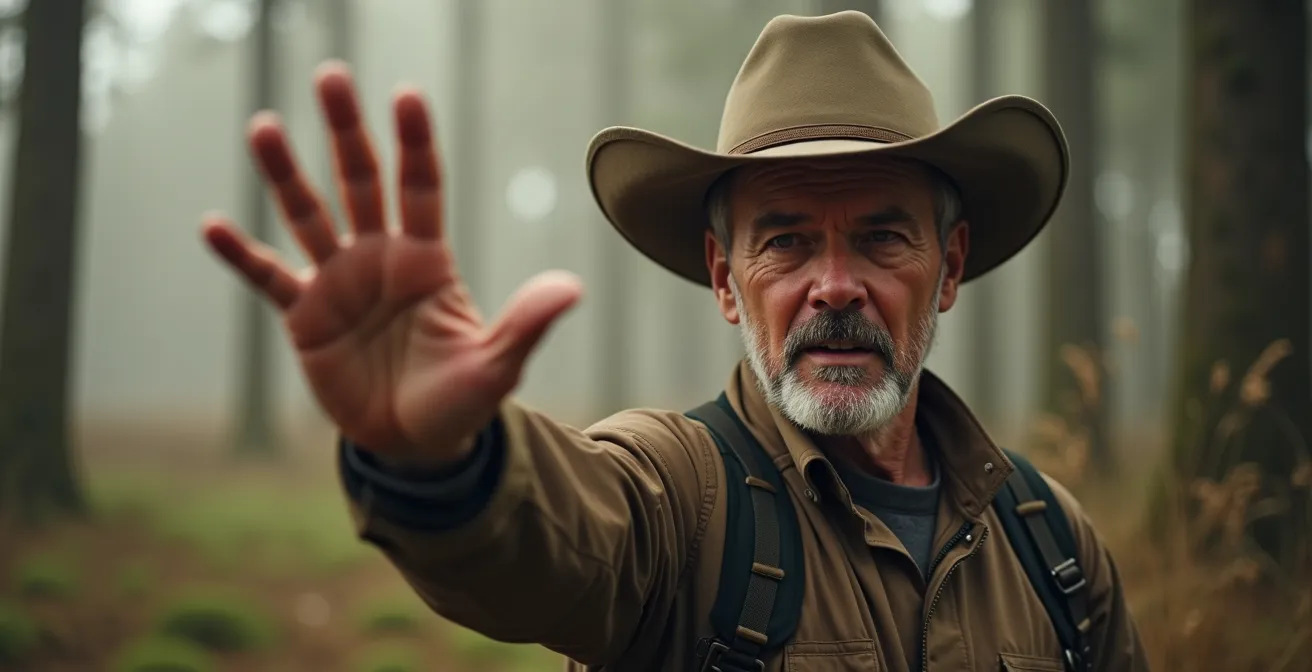
Practicing sound discipline at a hunting camp requires conscious effort and becomes a habit over time. Conducting a “sound audit” can help identify and mitigate noise pollution:
- Gear Prep: Wrap metal items like trekking poles or pot handles in cloth or tape to prevent clanking. Secure loose straps that can flap in the wind.
- Camp Communication: Establish a set of simple hand signals for common phrases like “stop,” “look,” or “quiet” to avoid shouting across camp.
- Camp Routine: Zip tents slowly. When cooking, handle pots and pans deliberately. Avoid using electronic devices with external speakers.
- Vehicle Use: Close vehicle doors gently with a two-handed push rather than letting them slam shut. Turn off engines immediately upon arrival.
Nose-to-Tail: How to Utilize Offal and Bones to Honor the Animal?
For the ethical hunter, the work doesn’t end when the animal is down. A core part of the hunting ethic is honoring the animal by utilizing as much of it as possible. This “nose-to-tail” philosophy extends beyond simply taking the prime cuts of meat. It involves thoughtfully using the offal (organs), bones, and hide. Many organs like the heart, liver, and tongue are nutrient-dense and delicious. Bones can be boiled to create a rich, flavorful stock, and the hide can be tanned for a variety of uses. This practice minimizes waste and shows the ultimate respect for the life that was taken.
However, what cannot be packed out must be disposed of with extreme care. The management of gut piles and skeletal remains is a critical LNT consideration for hunters. According to guidance from publications like Colorado Outdoors Magazine, improper disposal can attract bears and other predators to trails and campsites, creating dangerous situations for other people and habituating animals to human food sources. In Chronic Wasting Disease (CWD) zones, specific regulations often require packing out all brain and spinal cord tissue to prevent the spread of the disease.
The correct disposal method is highly dependent on the local ecosystem and its regulations. This decision matrix provides a clear framework for making the right choice.
| Ecosystem Type | Disposal Method | Distance from Camp | Special Considerations |
|---|---|---|---|
| Bear Country | Scatter widely | 200+ yards | Never near trails or camps |
| CWD Zones | Pack out CNS tissue | N/A | Brain, spine, lymph nodes removed |
| Desert/Arid | Pack out or deep bury | 300+ feet | Slow decomposition rate |
| Dense Forest | Scatter for scavengers | 200+ feet | Away from water sources |
| Alpine | Pack out completely | N/A | Fragile ecosystem |
Compost or Trash: How to Properly Dispose of Used Eco-Lures?
The “pack it in, pack it out” mantra applies to everything you bring into the backcountry, and there are no exceptions for items marketed as “biodegradable” or “eco-friendly.” This is especially true for modern hunting and fishing products like soft plastic lures, scent wafers, and other attractants. While the idea of a product that naturally decomposes is appealing, the reality in the field is far different.
As one analysis of so-called ‘biodegradable’ fishing lures found, these products can take decades to break down, especially in the cold, low-oxygen environments of many lakes and streams. Even as they slowly degrade, they release microplastics and synthetic chemical attractants into the ecosystem. These substances can be ingested by fish and other wildlife, and the attractants can alter natural behavior patterns. The answer to “Compost or Trash?” is therefore unequivocally trash. All used lures, snapped fishing lines, scent pads, and their packaging must be treated as non-biodegradable waste and packed out completely.
This principle extends to all small, easily forgotten items. It includes spent brass casings, shotgun shell wads, pieces of flagging tape, and corners torn off of energy bar wrappers. A good practice is to dedicate one pocket of your pack as a “trash pocket” and empty it after every trip. It’s never acceptable to bury trash of any kind. This action doesn’t make it disappear; it just hides it, preserves it, and increases the chance that an animal will dig it up later. The only way to leave no trace is to leave nothing behind.
Key Takeaways
- The ‘Leave No Trace’ ethic for hunters is an advanced practice of environmental stewardship, not just a set of rules.
- Understanding the ecological ‘why’—like how soil compaction harms riparian zones or why ‘biodegradable’ soap is dangerous in water—is key to making the right decisions.
- True respect for the harvest involves both nose-to-tail utilization and strategic, ecosystem-specific disposal of remains.
How to Participate in Habitat Restoration Projects on Your Local Public Lands?
The ultimate expression of the Leave No Trace ethic is to move beyond simply minimizing your impact and begin actively improving the environment. This is the principle of leaving a place better than you found it. As a hunter, your intimate knowledge of the land and your passion for wildlife position you perfectly to become a leader in hands-on conservation. Participating in habitat restoration projects is a powerful way to give back to the wild places that give us so much.
Many hunter-led conservation organizations are at the forefront of these efforts. Groups like the Backcountry Hunters & Anglers, the Theodore Roosevelt Conservation Partnership, and the Ruffed Grouse Society regularly organize volunteer projects on public lands. According to an overview of such initiatives, these projects involve practical, impactful work such as removing invasive plant species, maintaining trails to prevent erosion, cleaning up illegal dump sites, and improving habitat for specific wildlife. Joining these groups connects you with a community of like-minded stewards and provides a structured way to make a tangible difference.
You don’t have to wait for an organized event to practice active stewardship. Every trip into the field is an opportunity to leave a positive trace. Consider these immediate actions:
- Carry an extra game bag specifically for packing out trash left by less conscientious visitors.
- Safely dismantle illegal fire rings you encounter, scattering the blackened stones to make the site look natural again.
- Where permitted, use a folding saw to clear fallen branches that block trails, which helps prevent hikers from creating new, erosive paths.
- Report sightings of invasive species or signs of wildlife disease to your state’s wildlife agency, providing photos and GPS coordinates if possible.
- Carefully remove old, abandoned tree stands or ground blinds that have been left to rot.
By integrating these advanced principles into every hunt, you transform a recreational pursuit into a profound act of conservation. The next logical step is to connect with organizations that channel this passion into large-scale positive impact, turning your individual ethic into a collective force for the wild.