Care & Accessories
When you invest in quality hunting and fishing gear, the equipment itself is only half the equation. The difference between gear that lasts a single season and equipment that performs reliably for years lies in how you maintain, protect, and optimize it. Care and accessories aren’t afterthoughts—they’re fundamental to your success in the field and on the water.
From the leather boots that keep your feet dry during a dawn duck hunt to the waders that protect you in frigid streams, every piece of outdoor equipment faces relentless challenges: moisture, temperature extremes, organic contaminants, and mechanical stress. This comprehensive resource explores the essential maintenance practices, protective treatments, performance enhancements, and storage strategies that transform good gear into dependable companions for countless outdoor adventures.
Mastering Leather Care and Maintenance
Leather remains one of the most durable materials for outdoor gear, but only when properly maintained. Understanding the chemistry behind leather care transforms routine maintenance from guesswork into precise, effective action.
Understanding pH Balance and Chemical Integrity
Leather’s longevity depends on maintaining its chemical stability. During the tanning process, leather achieves a specific pH range—typically between 4.0 and 5.0 for most outdoor gear. When this balance shifts, the material becomes vulnerable to degradation.
Think of leather pH like soil health in a garden: too acidic or too alkaline, and nothing thrives. Exposure to alkaline substances like certain soaps or environmental contaminants can cause the fibers to swell and weaken. Meanwhile, excessive acidity accelerates breakdown. Testing your cleaning products on an inconspicuous area first prevents costly mistakes.
Effective Cleaning and Stain Removal
Organic stains—blood from field dressing game, fish oils, plant tannins—require targeted approaches. Each stain type bonds differently with leather fibers, demanding specific removal strategies.
- Blood stains: Cold water application immediately prevents protein bonding; warm water sets the stain permanently
- Oil-based contamination: Absorbent powders like cornstarch draw oils out before they penetrate deeply
- Mud and dirt: Complete drying before brushing prevents grinding particles into the grain
- Salt residue: Vinegar-water solutions (1:2 ratio) neutralize without damaging leather pH
Conditioning Without Over-Treatment
The most common mistake in leather care isn’t neglect—it’s excessive conditioning. Over-conditioning creates a situation similar to over-watering plants: it suffocates the material, prevents proper moisture regulation, and attracts dirt.
Properly maintained leather should feel supple but not greasy. A reliable test involves pressing your thumb firmly against the leather; if an oily residue transfers, you’ve over-conditioned. Most quality leather gear requires conditioning only 2-3 times per season under normal use, increasing to monthly for gear exposed to extreme conditions or frequent water immersion.
Weatherproofing Your Gear for Maximum Protection
Water remains the primary enemy of outdoor gear, but effective weatherproofing requires understanding the balance between protection and breathability. Creating an impenetrable barrier sounds ideal until you realize trapped moisture inside gear causes just as much damage as external water.
Creating Effective Hydrophobic Barriers
Hydrophobic treatments work like the waxy coating on a duck’s feathers—water beads and rolls off rather than soaking in. Modern treatments fall into two categories: topical barriers that sit on the surface and penetrating treatments that bond with fibers.
Topical waxes provide immediate, visible protection and excel for high-abrasion areas like boot toes and pack bottoms. Penetrating treatments offer more subtle protection while maintaining the material’s original feel and appearance. For hybrid leather-synthetic gear, layered approaches often work best: penetrating treatments for leather sections, spray-on DWR for synthetic components.
Wax Application Techniques
Applying wax correctly determines whether you achieve durable protection or sticky, uneven coverage that attracts dirt. The key lies in temperature and technique.
- Warm the leather slightly with ambient heat (sunlight or room temperature)—never direct heat sources
- Apply wax in thin, circular motions, working small sections at a time
- Use a hairdryer on low setting to help wax penetrate, maintaining 6-8 inches distance
- Buff excess immediately with a clean cloth before it cools and hardens
- Allow 24 hours curing time before exposing treated gear to water or stress
Restoring and Maintaining DWR Coatings
Durable Water Repellent (DWR) coatings on synthetic fabrics eventually “wet out”—losing their beading ability as oils, dirt, and abrasion compromise the treatment. This doesn’t mean the fabric is ruined; factory DWR can often be reactivated before reapplication becomes necessary.
Tumble-drying clean synthetic gear on medium heat for 20 minutes frequently restores water repellency by redistributing the existing DWR coating. When heat treatment no longer works, spray-on or wash-in DWR products restore protection. Schedule these treatments based on performance, not calendar dates—when water stops beading and starts soaking in, it’s time to act.
Optimizing Footwear for Cold Weather Performance
Cold feet end outdoor adventures faster than almost any other discomfort. Yet many hunters and anglers tolerate inadequate footwear insulation, unaware that simple upgrades and proper moisture management can extend their effective season by months.
Insulation Materials and Heat Retention
Modern insulation materials operate on a simple principle: trap air to create thermal barriers. However, not all air-trapping methods perform equally in outdoor conditions.
Synthetic insulations like Thinsulate maintain their loft and insulating properties even when damp, making them ideal for wet environments. They compress efficiently for packing but may not provide the same warmth-to-weight ratio as natural alternatives. Natural down offers exceptional warmth when dry but becomes useless when wet—rarely suitable for hunting and fishing footwear. Aerogel materials represent cutting-edge technology, providing remarkable insulation in minimal thickness, though at premium prices.
Managing Moisture in Cold Conditions
Moisture in cold weather boots comes from two sources: external water penetration and internal perspiration. Addressing external moisture through waterproofing is straightforward, but managing foot perspiration requires a systematic approach.
- Moisture-wicking liner socks move perspiration away from skin to outer layers
- Breathable membranes like Gore-Tex allow vapor escape while blocking liquid water
- Proper fit with minimal constriction maintains circulation and prevents perspiration buildup
- Regular boot drying between uses prevents cumulative moisture accumulation
Preventing Conductive Heat Loss
Standing in snow or cold water creates conductive heat transfer—your body heat flowing directly into the cold surface beneath your feet. This differs from convective heat loss (air movement) or radiative loss, demanding specific countermeasures.
Thick insoles with low thermal conductivity create crucial barriers between your feet and the ground. Materials like closed-cell foam, cork, or specialized thermal insoles can reduce conductive loss by 40-60%. The effectiveness depends on thickness and density: a ¼-inch dense foam insole outperforms a ½-inch soft insole in most conditions. When fitting thick insoles, ensure adequate boot volume to prevent constriction that reduces circulation and paradoxically increases cold sensitivity.
Why Lacing Systems Matter More Than You Think
Laces seem like minor details until they fail at a critical moment—a broken lace three miles from camp in freezing conditions transforms from inconvenience to potential emergency. Beyond reliability, proper lacing systems affect boot performance, foot health, and overall comfort.
Different lace materials offer distinct advantages. Nylon laces provide excellent strength and abrasion resistance but can loosen throughout the day, requiring periodic retightening. Polyester laces maintain tension better while offering similar durability. Leather laces look traditional and stay tied effectively but lose strength when wet and require longer drying times.
In freezing and wet conditions, lace material choice becomes critical. Ice buildup on water-absorbent materials creates stiff, unworkable laces and increases weight. Coated synthetic laces shed water and ice, maintaining flexibility in extreme conditions. For serious cold-weather use, carrying emergency spare laces weighs mere ounces but provides invaluable insurance.
Knot security depends less on knot type than on technique and lace condition. The standard bow knot works reliably when laces have appropriate texture and diameter for your boot’s eyelets. Worn, glazed laces slip regardless of knot complexity. Replacing laces before they show significant wear—typically annually for regular users—prevents field failures. Abrasion typically occurs at eyelet contact points; rotating laces end-for-end during replacement extends usable life.
Smart Storage and Transport Strategies
How you store and transport gear between outings directly impacts its lifespan and performance. Proper storage isn’t about elaborate systems—it’s about understanding what damages equipment when it’s not in use and implementing simple preventive measures.
Preventing Fungal Growth and Odors
Fungal growth and persistent odors share a common cause: moisture in enclosed spaces. When wet gear gets packed away, you create an ideal environment for mold, mildew, and odor-causing bacteria.
The solution requires addressing both immediate post-use treatment and long-term storage conditions. After every outing, remove all gear from packs and bags immediately upon returning home. Wet items need complete drying before storage—not just surface drying, but thorough air circulation for 24-48 hours in a well-ventilated space. Boots should be dried with newspaper or boot dryers; stuffing accelerates drying while maintaining shape.
For active odor control, activated charcoal bags or cedar blocks absorb moisture and neutralize odors without chemical treatments that might affect gear materials. Avoid storing leather items in plastic containers; breathable fabric bags or open shelving prevents moisture accumulation while protecting from dust.
Organizing and Protecting Your Investment
Efficient organization isn’t about aesthetics—it’s about preserving gear integrity and ensuring readiness. When accessories pile haphazardly in bags, sharp items puncture soft goods, straps tangle and stress connection points, and weight concentrates on items at the bottom.
Structured storage prevents these issues through strategic separation. Small items—calls, tools, first aid supplies—benefit from dedicated pouches that prevent loss and distribute weight. Heavier accessories should sit closest to your back in packs to maintain center of gravity. Compression straps secure loads but shouldn’t over-tighten, which can deform insulation and damage waterproof coatings over extended storage periods.
Transport strategies differ from storage. During transport, protecting gear from structural damage takes priority. Hard cases shield optics and electronics from impact. Wrapping straps and securing loose components prevents shifting that causes abrasion. For wet gear transport after outings, waterproof dry bags contain moisture, preventing it from spreading to other equipment while allowing you to safely transport items that couldn’t be dried on-site.
The care and accessories you choose, combined with how diligently you maintain them, ultimately determine whether your outdoor gear becomes trusted equipment that enhances every adventure or unreliable equipment that fails when you need it most. Each of these practices—from pH-balanced leather cleaning to strategic lacing upgrades to proper storage—contributes to a comprehensive approach that maximizes your investment and your time in the field.
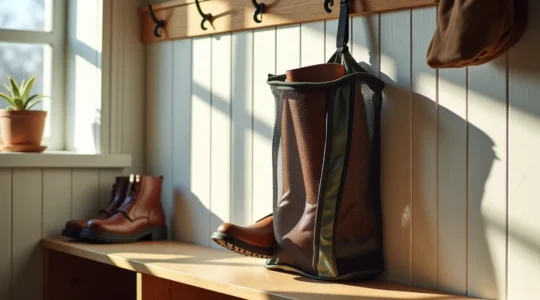
How Do Ventilated Boot Bags Prevent Mold Growth Between Seasons?
Contrary to popular belief, preventing boot mold isn’t about passive storage in a dry place. The real solution is an active microclimate management system that begins the moment you take your boots off. A ventilated boot bag is the cornerstone…
Read more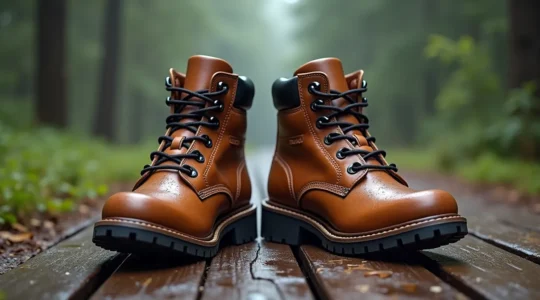
Cream vs. Wax for Boots: Why Your Application Technique Matters More Than the Product
Contrary to popular belief, the choice between wax and cream isn’t what determines if your boots leak; it’s how you apply it that dictates performance and breathability. True waterproofing depends on using controlled heat for deep wax penetration without damaging…
Read more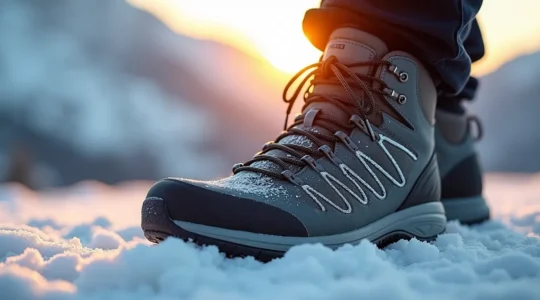
Why Moisture-Wicking Laces Prevent Frozen Knots During Winter Expeditions?
Contrary to popular belief, preventing frozen laces isn’t about waterproof sprays; it’s about choosing materials that are non-absorbent at a molecular level. Standard synthetic laces like nylon and paracord will still absorb water and freeze, creating a critical system failure….
Read more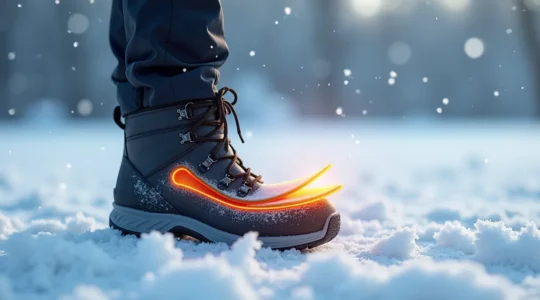
How Thermal Insoles Increase Boot Warmth by 5°C in Sub-Zero Conditions?
Contrary to popular belief, simply adding a thick insole is not the key to warm feet; it can even make them colder. True warmth comes from creating a balanced thermal system that actively combats conductive heat loss and manages moisture….
Read more
Why Dish Soap Ruins Leather Boots and What to Use Instead?
Using dish soap on leather boots is a catastrophic mistake because its high alkaline pH chemically attacks and denatures the leather’s very structure. Alkaline cleaners strip the essential “fatliquors” (natural oils) that keep leather supple, causing it to become brittle…
Read more