Hunting & Fishing
Hunting and fishing represent more than recreational pursuits—they’re time-honored practices that connect us directly to natural cycles, animal behavior, and the landscapes we inhabit. Whether you’re learning to read bird habitat in dense cover or interpreting thermal layers beneath a lake’s surface, both disciplines demand a blend of patience, observation, and technical skill. The hunter waiting motionless at dawn and the angler studying current seams share a common thread: success comes from understanding the environment and adapting to it.
This foundation explores the core competencies that define effective hunting and fishing. From selecting appropriate firearms and tackle to mastering stealth, safety, and conservation ethics, we’ll examine the knowledge base that transforms occasional outings into consistent, responsible harvests. Whether you’re new to these traditions or seeking to refine established practices, the principles covered here provide the framework for developing genuine field competence across diverse environments and species.
The Foundations of Successful Hunting
Effective hunting begins long before you chamber a round or step into the field. It starts with understanding what drives animal movement, how terrain influences behavior, and why certain areas hold game while others remain empty.
Understanding Your Quarry and Environment
Game animals don’t distribute randomly across the landscape—they concentrate where food, water, cover, and breeding habitat intersect. Habitat reading means recognizing these patterns. A bird hunter scanning an overgrown field edge isn’t just looking for movement; they’re identifying food sources like seed-bearing grasses, thermal cover from wind, and escape routes into thicker vegetation. Think of it like reading a map written in vegetation, topography, and disturbance patterns.
Timing amplifies these advantages. Animals operate on biological clocks tied to feeding schedules, temperature fluctuations, and predator avoidance. The same field that appears barren at midday may hold concentrations of feeding birds during the first hour of light or the final minutes before dusk. Understanding animal vision—including their sensitivity to movement and specific wavelengths—further refines your approach, helping you position yourself where detection is least likely.
Essential Gear Selection and Safety
Firearms represent significant investments in both safety and performance. For bird hunters, choke selection dramatically affects pattern density and effective range. An improved cylinder choke provides wide patterns for close-flushing birds in thick cover, while modified or full chokes tighten patterns for longer shots over open water or fields. This isn’t about having the “best” choke—it’s about matching constriction to your specific hunting scenario.
Safety equipment deserves equal attention. Blaze orange or pink visibility gear keeps you visible to other hunters while remaining adequately concealed from game, whose color perception differs from humans. Quality hearing protection now enhances environmental awareness rather than blocking it, using electronic amplification to boost ambient sounds while suppressing dangerous gunshot decibels. This technology allows you to hear approaching game, identify direction, and protect your long-term hearing health simultaneously.
Stealth, Concealment and Field Craft
Getting close to game requires managing multiple detection pathways: visual, auditory, and olfactory. Modern camouflage goes beyond generic patterns—effective concealment matches specific biomes, whether hardwood forest, prairie grassland, or agricultural stubble. But pattern alone won’t compensate for poor positioning. Animals detect silhouettes against skylines, unnatural geometric shapes, and especially movement.
Sound discipline often matters more than visual camouflage at close range. Fabric noise levels vary dramatically between materials—stiff synthetics produce audible swishing with each step, while soft fleece and wool move silently. Layering for silence means testing garments before the hunt, eliminating gear contact points where metal clips might scrape together, and choosing walking patterns that minimize noise-producing vegetation contact. Solo hunters particularly benefit from refined stalking techniques, since they lack the option of posting while partners drive game.
Scent management adds another dimension. While not foolproof, wind awareness and scent-control practices reduce detection range. Animals won’t smell what the wind doesn’t carry to them, making wind direction analysis your first and most reliable tool.
Fishing Fundamentals: From Shore to Stream
Where hunting emphasizes stealth and precise shooting, fishing success hinges on understanding water dynamics, presenting offerings convincingly, and adapting to constantly changing conditions.
Reading Water and Finding Fish
Fish aren’t distributed evenly through a body of water—they concentrate in zones offering optimal combinations of food, oxygen, temperature, and protection from predators. Thermal stratification in lakes creates distinct horizontal layers, with temperature-sensitive species occupying narrow bands where conditions suit their metabolism. In summer, many gamefish suspend along thermoclines where warm surface water meets cooler depths, creating an invisible ceiling that concentrates baitfish and the predators pursuing them.
In moving water, hydraulic features create the architecture fish use. Current seams—the visible boundaries where fast water meets slow—act like conveyor belts delivering food while providing energy-efficient holding positions. Structural transitions such as depth changes, vegetation edges, and bottom composition shifts concentrate fish because they create ambush points and refuge simultaneously. Learning to identify these features visually transforms random casting into targeted presentations.
Seasonal patterns overlay these structural considerations. Spring warming triggers shallow migrations as fish move toward spawning areas. Fall turnover—when surface and bottom temperatures equalize—disperses fish temporarily but creates excellent conditions once restratification occurs. Recognizing these seasonal cycles helps you anticipate where fish will be rather than simply searching for where they were.
Choosing the Right Tackle and Techniques
Tackle selection follows a logical progression from target species to environment to presentation method. A travel rod designed for remote backpacking prioritizes packability and durability through multi-piece construction, while sacrificing some casting distance. Conversely, longer one-piece rods maximize distance and sensitivity but limit portability. Neither is universally superior—effectiveness depends on matching design to application.
Reel mechanics matter more than many anglers realize. Gear ratios determine retrieve speed and cranking power—high ratios (7:1 or greater) excel at quickly recovering line and working fast-moving lures, while lower ratios (5:1 or less) provide superior cranking power for large fish or deep-diving presentations. Understanding these relationships helps you select reels that complement your fishing style rather than fighting against it.
The debate between traditional methods and modern technology often creates false choices. Simple bobber fishing with natural bait remains remarkably effective, requiring minimal equipment while teaching bite detection, patience, and fish behavior. Modern techniques add options rather than replacing fundamentals—both approaches have merit depending on conditions, target species, and personal preference.
Mastering Presentation and Timing
Even perfectly positioned fish won’t strike poorly presented offerings. Lure action manipulates fish psychology—the pause after a twitch triggers reaction strikes from following predators, while steady retrieves imitate fleeing baitfish. Sound and vibration from rattles or spinner blades attract fish in murky water or low light when visual hunting becomes difficult. Color selection matters less in clear, bright conditions where silhouette dominates, but becomes critical in stained water or specific depth ranges where certain wavelengths penetrate better.
Bait presentation follows similar principles. Live bait rigged to swim naturally produces more strikes than dead or poorly hooked offerings. Water temperature regulation in bait containers keeps minnows or other live bait active and attractive. Hook placement affects both hooking percentage and bait longevity—threading a hook through specific anatomy points allows natural movement while maintaining secure attachment.
Timing often determines whether fish feed aggressively or ignore perfectly presented lures. The “bite window”—periods of peak feeding activity—correlates with dawn, dusk, tidal movement, weather changes, and other triggers. Recognizing these patterns concentrates your efforts during high-probability periods rather than grinding through slow times hoping for random encounters.
Equipment Mastery for Both Disciplines
Quality equipment extends capabilities, but only when properly selected, maintained, and employed. Understanding what separates adequate gear from exceptional tools helps you invest wisely.
Optics for Observation and Accuracy
Binoculars and spotting scopes transform how you find and evaluate game or assess water from a distance. Glass quality—the optical elements themselves—determines resolution, color fidelity, and low-light performance. Premium glass with advanced coatings transmits more light and produces sharper images, particularly during dawn and dusk when many species are most active. This isn’t about magnification—a clear, bright 8x image reveals more than a dim, fuzzy 12x view.
Image stabilization, whether optical or mechanical, dramatically improves usability at higher magnifications. Trying to hold 10x or 12x binoculars steady enough to judge details proves frustrating without support. Stabilization systems compensate for hand tremor, making extended glassing sessions productive rather than exhausting. For hunting scenarios requiring precise identification before shooting, stable optics aren’t luxury items—they’re safety equipment.
Fog prevention and moisture management keep optics functional in variable weather. Quality seals and nitrogen or argon purging prevent internal fogging that renders expensive glass useless at critical moments. External lens protection—from flip caps to neoprene guards—prevents scratches and impacts during the inevitable bumps and vegetation contact field use entails.
Protecting Your Senses While Staying Alert
Modern hearing protection represents a paradigm shift from old foam plugs that blocked all sound indiscriminately. Electronic systems amplify quiet environmental sounds—footsteps, rustling vegetation, vocalizations—while instantly suppressing harmful gunshot noise. This technology enhances situational awareness rather than compromising it, allowing you to hear approaching game while protecting against permanent hearing damage from muzzle blast.
Choosing between in-ear and over-ear designs involves tradeoffs. In-ear models interfere less with firearms stock placement and reduce weight, while over-ear designs typically offer superior noise reduction ratings and longer battery life. Both styles now incorporate directional hearing enhancement, helping you pinpoint sound sources—a critical advantage when trying to locate calling birds or approaching animals in dense cover.
Eye protection serves dual purposes: shielding against ejected shells, ricochets, and vegetation while enhancing visual contrast. Modern shooting glasses use tinted lenses to sharpen target definition against backgrounds—orange or yellow tints make clay targets or birds stand out against sky or foliage. Ensuring comfort alongside eyewear prevents the distraction of pressure points or slipping frames during critical moments.
Maintaining and Transporting Your Gear
Equipment longevity depends more on maintenance practices than initial quality. Reels exposed to water—particularly saltwater—require systematic cleaning to prevent corrosion damage that degrades drag systems and bearing smoothness. Rinsing with fresh water after each outing, periodic disassembly for internal cleaning, and appropriate lubrication extend operational life by years or decades.
Rod protection during transport prevents the frustration of broken tips or separated ferrules. Multi-piece rods need individual segment protection, while one-piece designs require rod tubes or secure vehicle mounting systems. The few minutes spent properly securing gear prevents damage that might end a trip prematurely or require expensive repairs.
Firearm maintenance follows similar preventive logic. Barrel fouling from ammunition residue—particularly relevant when transitioning to non-toxic shot or bullets—accumulates and degrades accuracy if not addressed. Regular cleaning removes corrosive deposits, while proper storage in controlled humidity environments prevents rust formation on blued or bare metal surfaces.
Advanced Techniques and Specialized Environments
Once fundamental skills become second nature, specialized techniques open access to challenging environments and selective species that reward refined approaches.
Fly Fishing in Moving Water
Fly fishing demands casting mastery that differs fundamentally from conventional tackle. The fly line’s weight loads the rod rather than lure mass, requiring distinct timing and mechanics. Loop shape determines casting efficiency—tight loops cut through wind and deliver flies accurately at distance, while wide loops waste energy and sacrifice precision. Correcting wrist errors—the tendency to use excessive wrist articulation instead of forearm rotation—represents the most common improvement pathway for developing casters.
Reading moving water becomes even more critical when presenting nearly weightless flies. Pocket water—the small eddies and slicks between turbulent currents—holds trout in high-gradient streams because it offers feeding positions without exhausting energy expenditure. Presenting flies to these tight spots requires accurate casting and immediate line management to prevent drag that makes flies swim unnaturally.
Matching local entomology—understanding what insects are hatching and when—elevates fly fishing beyond hardware presentation to genuine imitation. Trout feeding on emerging mayflies develop selective focus, refusing flies that don’t match size, silhouette, and behavior of natural insects. This specificity challenges anglers to observe carefully, select appropriately, and present convincingly.
Saltwater Strategies
Tidal environments introduce dynamic variables freshwater anglers rarely encounter. Tidal flow reorganizes entire ecosystems twice daily, concentrating baitfish in specific zones during rising water and stranding them in shallows during ebbs. Reading tide charts becomes as fundamental as checking weather—peak feeding activity often correlates with specific tidal stages, varying by species and location.
Rip currents—where outgoing tides create powerful seaward flows—concentrate baitfish and the gamefish hunting them, but demand respect and proper safety practices. Surf casting requires specialized techniques to manage breaking waves, prevent line tangles in turbulent water, and achieve the distance necessary to reach productive zones beyond the surf break.
Saltwater’s corrosive properties accelerate equipment degradation. Rinse protocols, corrosion-resistant materials, and protective coatings transition from optional upgrades to functional necessities. Reels, rod guides, and terminal tackle designed for freshwater simply won’t survive extended saltwater exposure without aggressive maintenance.
Alpine and Mountain Pursuits
High-elevation environments present unique challenges and opportunities. Trout behavior in alpine lakes and streams reflects extreme conditions—short growing seasons, limited food availability, and temperature ranges that would stress lowland populations. These fish often demonstrate reduced wariness compared to heavily pressured lowland fisheries, but accessing remote locations requires physical fitness, navigation skills, and proper preparation for rapidly changing mountain weather.
High-gradient streams demand specialized wading techniques. Reading whitewater identifies safe crossing points and productive fishing zones while avoiding hydraulic hazards that can knock waders off their feet. Footwear traction becomes a safety essential rather than a convenience—felt soles, rubber studs, or cleated systems each offer advantages depending on substrate type.
Mountain environments accelerate hypothermia risk and UV exposure simultaneously. Proper layering systems manage temperature regulation during physically demanding approaches, while sun protection—often neglected at altitude where UV intensity increases—prevents debilitating burns that can end trips early.
Conservation, Ethics and Legal Responsibility
Modern hunting and fishing occur within frameworks of regulation, biological sustainability, and ethical considerations that extend beyond simple legality. Understanding these responsibilities defines the difference between harvesting and mere killing.
The transition to non-toxic ammunition illustrates how conservation science influences practical choices. Lead’s toxicity to scavengers feeding on gut piles or unretrieved game created secondary poisoning in eagles, condors, and other species. Non-toxic alternatives—steel, bismuth, tungsten alloys—eliminate this pathway while requiring shooters to understand different ballistic characteristics and terminal performance. This adaptation serves conservation objectives while maintaining hunting’s viability.
Catch-and-release practices, when properly executed, allow sustainable fishing pressure on populations that couldn’t withstand harvest-oriented approaches. But ethical release requires technique—minimizing fight time to prevent exhaustion, handling fish with wet hands to protect mucous membranes, supporting body weight horizontally rather than vertically stressing internal organs, and releasing in calm water where fish can recover equilibrium. Poorly executed release simply delays mortality rather than ensuring survival.
Legal compliance extends beyond license possession to understanding season dates, bag limits, method restrictions, and area closures. Regulations reflect biological data about population health, reproductive cycles, and sustainable harvest levels. Viewing these rules as arbitrary restrictions rather than science-based management undermines the conservation model that sustains huntable and fishable populations.
Developing genuine competence in hunting and fishing requires ongoing learning—each outing offers lessons about animal behavior, environmental conditions, and personal skills. The techniques and principles outlined here provide starting points for that journey, connecting you to traditions practiced across cultures and generations while grounding your pursuit in modern understanding of ecology, ethics, and conservation.
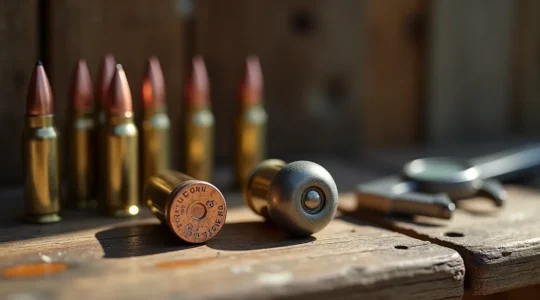
Copper vs Lead Bullets: How to Adjust Your Rifle Zero for Non-Toxic Ammo?
Successfully transitioning to copper ammunition is a full system recalibration, not just a simple zero adjustment. Copper bullets require higher impact velocities than lead to perform effectively, fundamentally changing their terminal ballistics. The extreme fragmentation of lead bullets poses a…
Read more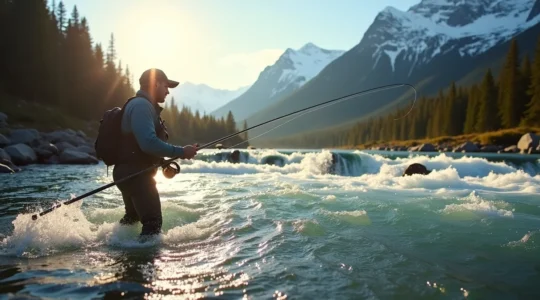
How to Wade Safely in Fast-Flowing Alpine Rivers: A Guide to Mastering Current and Terrain
In summary: True wading safety is not a list of tips, but an understanding of river dynamics, human physiology, and environmental physics. Use quantifiable rules like the “Rule of Ten” to assess risk objectively before entering the water. Your choice…
Read more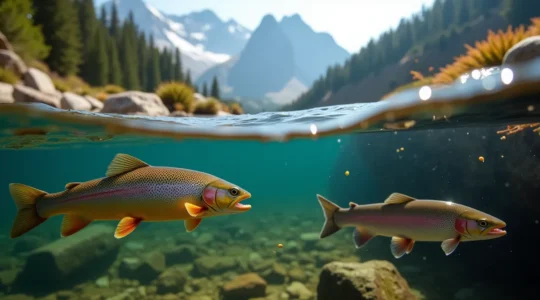
Brown Trout vs Rainbow Trout: How Feeding Habits Differ in Alpine Streams?
Tired of watching one trout species feed actively while the other ignores your perfect drift? The solution isn’t just changing flies; it’s understanding their fundamentally different biology. Brown Trout operate on a conservative energy budget, making them opportunistic but often…
Read more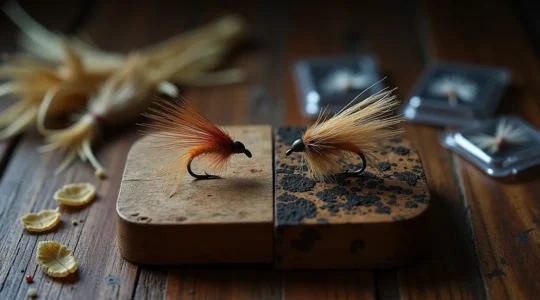
Why Hand-Tied Flies Outperform Store-Bought Patterns in Pressured Waters?
The secret to catching pressured fish isn’t a perfect imitation, but mastering the subtle “prey triggers” that mass-produced flies structurally ignore. Natural materials create a life-like “breathing” silhouette that synthetics cannot replicate. An open hook gap, often compromised on store-bought…
Read more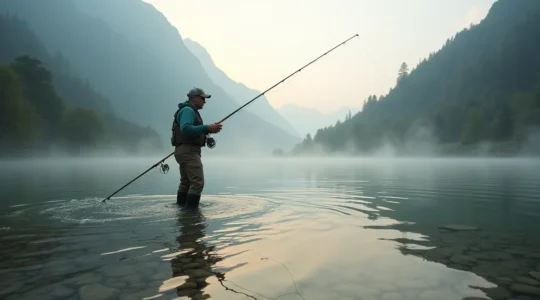
Floating vs Sinking Lines: Which Is Necessary for Nymphing in Deep Pools?
Getting your nymphs into the strike zone in deep, fast water is less about adding weight and more about mastering a complete presentation system. Floating lines excel in complex currents like eddies, but sinking lines are non-negotiable for defeating the…
Read more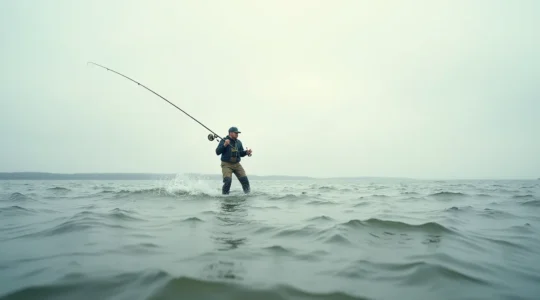
How to Master the Double Haul Cast to Fight Wind on Open Rivers?
The secret to punching a cast through wind isn’t brute force; it’s mastering the efficient transfer of energy through a sound kinetic chain. A tight, aerodynamic loop is the single most critical factor for accuracy and distance in windy conditions….
Read more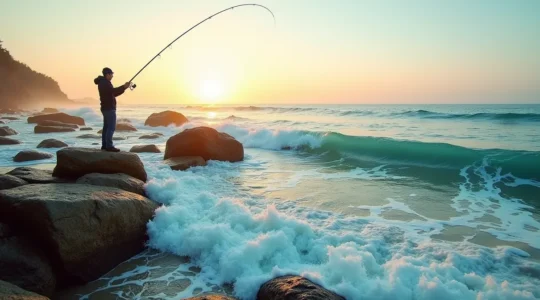
How to Time Coastal Fishing Trips with Incoming Tides for Maximum Success?
Success in coastal fishing isn’t about the tide itself, but about mastering the entire hydrodynamic system it controls. Tidal velocity (spring vs. neap) dictates feeding strategies and bait presentation far more than simple tide height. Environmental factors like salinity, water…
Read more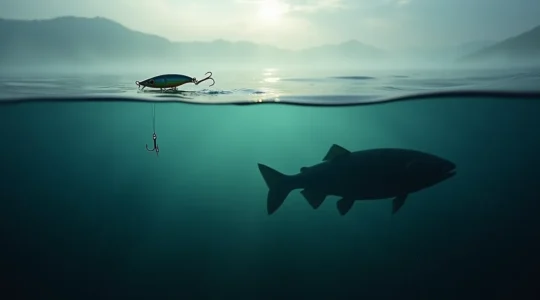
Why Erratic Lure Action Triggers Reaction Strikes from Lethargic Predators
The key to triggering strikes from pressured fish isn’t random movement; it’s the calculated manipulation of their predatory brain to force an instinctual, unthinking reaction. A sudden change in lure speed or direction bypasses a predator’s analysis, triggering a neurological…
Read more
Texas Rig vs Carolina Rig: Which Soft Plastic Setup Is Best for Weedy Bottoms?
Mastering weedy bottoms isn’t about choosing Texas or Carolina; it’s about understanding that each rig demands a completely different fishing philosophy. The Texas rig is a surgical tool for direct contact and punching through dense cover, requiring an instant, powerful…
Read more
How to Add 20 Yards to Your Cast When Using Aerodynamic Hard Lures?
Adding 20 yards to your cast isn’t about brute force, but mastering a synchronized system of gear and technique. Braided line’s thin diameter and a longer rod’s leverage are foundational for maximizing energy transfer. A perfectly timed ‘snap’ and correctly…
Read more