Outdoor & Nature
The call of the wild resonates differently for each person who answers it. Whether you’re tracking game through dense forest, casting a line into pristine waters, or simply seeking solace in remote backcountry, your relationship with outdoor spaces shapes both your experience and the landscape itself. Understanding this connection—and the responsibilities it brings—transforms casual outdoor activities into meaningful engagement with the natural world.
Modern outdoor enthusiasts face a unique challenge: balancing traditional practices with contemporary environmental awareness, technological advancement with ethical consideration, and personal enjoyment with conservation responsibility. This comprehensive exploration examines the essential knowledge areas that define responsible outdoor engagement, from selecting gear that endures harsh conditions to understanding your role as a steward of wild places.
Gear and Equipment Built to Last in Wild Environments
Your equipment serves as the critical interface between you and the elements. The difference between a successful outing and a dangerous situation often comes down to whether your gear can withstand the specific challenges of your environment.
Choosing Materials for Harsh Terrain
Thorny underbrush, sharp rocks, and extreme weather conditions test every piece of equipment you carry. Material selection isn’t just about initial durability—it’s about understanding how different substances age under stress. Natural leather offers breathability and time-tested reliability, particularly when properly graded for strength, with full-grain leather representing the most durable option. Synthetic alternatives provide consistent performance in wet conditions and often weigh less, though they may sacrifice breathability.
Consider the specific hazards you’ll encounter. Rocky mountain terrain demands abrasion-resistant materials with reinforced toe and heel areas, while marshy hunting grounds require waterproof construction with antimicrobial treatments to prevent rot. The toughest gear isn’t always the best choice—sometimes flexibility and comfort prevent the kind of movement restrictions that lead to snagging or accidents.
Maintaining and Repairing Your Outdoor Gear
Even the most robust equipment requires maintenance. Preventive care extends the lifespan of your investment and ensures reliability when you need it most. For leather items, regular conditioning prevents the drying and cracking that occurs when natural oils evaporate. Apply conditioner after every several uses in dry climates, focusing on high-wear areas like boot flexion points and pack straps.
Technical fabrics demand different attention. Small tears in waterproof membranes can be field-repaired with specialized tape, while deep scuffs in boots benefit from layered repair techniques that restore both protection and appearance. Learning basic repair skills—from stitching torn seams to patching synthetic materials—transforms what would be trash into serviceable gear for additional seasons.
Wilderness Survival Skills Every Outdoor Enthusiast Needs
No one plans for emergencies, yet they occur with surprising frequency in backcountry settings. The gap between minor inconvenience and life-threatening crisis often depends on your fundamental survival knowledge and mental preparedness.
The Psychology of Surviving Emergencies
Panic kills more people in wilderness emergencies than exposure or dehydration. When you realize you’re lost or injured, your body’s stress response floods your system with cortisol and adrenaline, narrowing your cognitive function precisely when you need clear thinking most. Experienced outdoorspeople recognize this physiological response and employ specific techniques to manage it.
The acronym STOP provides a framework: Sit down, Think about your situation, Observe your surroundings, and Plan your next steps. This simple pause interrupts the panic cycle and allows rational thought to resume. Mental preparation before you enter the wilderness—visualizing potential scenarios and rehearsing responses—creates neural pathways that activate more easily under stress.
Essential Shelter, Water, and Signaling Techniques
Survival priorities follow a consistent hierarchy. In most environments, shelter takes precedence over water, as exposure can kill within hours while dehydration takes days. Understanding how to construct emergency shelter from natural materials or improvised equipment could mean the difference between hypothermia and stability. A basic debris hut, for example, provides remarkable insulation using only branches, leaves, and your body heat.
Water sourcing requires knowledge of both location and purification. Streams and rivers offer obvious sources, but standing water in tree hollows, morning dew collected from vegetation, and even transpiration bags—plastic wrapped around leafy branches—can provide hydration. Always purify water through boiling, chemical treatment, or filtration to avoid waterborne parasites that turn survival situations into medical emergencies.
Effective signaling combines visual and auditory methods. Three of anything—three whistle blasts, three signal fires, three bright objects arranged in a triangle—represents the universal distress signal. Mirror flashes, brightly colored clothing displayed prominently, and smoky fires during daytime all increase your visibility to search parties.
Protective Clothing and Technical Fabrics for the Backcountry
Your clothing system represents your first line of defense against environmental hazards, from thorny vegetation to temperature extremes and potential animal encounters.
Balancing Safety with Comfort
The temptation to over-protect creates its own problems. Heavy leather chaps provide excellent protection against thorns and snake bites, but they trap heat and restrict movement in ways that cause fatigue and poor decision-making during long days afield. Modern outdoor clothing employs a layering philosophy that allows adjustment as conditions change.
Base layers manage moisture, mid-layers provide insulation, and outer layers block wind and precipitation while offering puncture resistance. Specialized facing materials on pants and jackets—typically reinforced synthetic fabrics or treated canvas—protect high-exposure areas without encasing your entire body in armor. Understanding which body parts face the greatest risk in your specific activity allows targeted protection without unnecessary bulk.
Understanding Fabric Technologies and Repair
Technical fabrics incorporate complex engineering—waterproof breathable membranes, ripstop weaves, and chemical treatments that repel water while allowing vapor transmission. These technologies fail when damaged or improperly maintained. A torn ripstop fabric will continue tearing along the rip-stop grid if not promptly repaired, while dirty waterproof membranes lose breathability as body oils clog microscopic pores.
Field repairs for technical fabrics differ significantly from traditional materials. Heat-activated patches bond to synthetic fabrics without stitching that creates new leak points. Seam sealer reapplies waterproofing to stressed areas. Carrying a small repair kit with appropriate materials for your specific gear ensures you can address damage before it cascades into complete failure.
The Modern Ethics of Hunting and Fishing
Participating in blood sports in the contemporary world requires thoughtful engagement with questions our ancestors rarely confronted. How do we define responsible harvest when technology allows unprecedented efficiency? What obligations do we owe to the animals we pursue and the broader ecosystems they inhabit?
Responsibility and Respect in Blood Sports
Modern hunting and fishing ethics extend beyond legal compliance into philosophical territory. Respecting your prey means ensuring quick, clean kills through practiced marksmanship and appropriate equipment selection. It means understanding animal behavior well enough to avoid unnecessary suffering and having the discipline to pass on shots that don’t meet ethical standards, regardless of legal permission.
The concept of full utilization honors the animal’s sacrifice. This extends beyond consuming meat to using hides, bones, and organs in ways that minimize waste. In fishing contexts, proper catch-and-release techniques—using barbless hooks, minimizing handling time, supporting fish during revival—reflect respect for individuals you’re not harvesting.
Technology presents particular ethical puzzles. Trail cameras, GPS tracking, and long-range optics provide advantages that some argue reduce hunting to mere killing. Each hunter must personally define the line between helpful tools and unsporting excess, though the question itself demonstrates ethical engagement with the activity.
Passing Knowledge to Future Generations
The future of outdoor sports depends entirely on mentorship quality. New participants learn not just techniques but values, approaches to wildlife, and environmental ethics from experienced practitioners. Mentoring carries the responsibility of modeling behavior you want to see perpetuated—selective harvest, habitat respect, and honest engagement with non-hunting publics.
Managing public perception starts with personal conduct. Every interaction between outdoor enthusiasts and the general public shapes attitudes toward hunting, fishing, and land access. Explaining your practices honestly, demonstrating ethical behavior, and showcasing conservation contributions builds understanding even among those who’ll never participate themselves.
Minimizing Your Environmental Impact Outdoors
Every human presence in wild spaces creates impacts. The goal isn’t eliminating your footprint entirely—an impossible standard—but rather understanding and minimizing unnecessary damage to ecosystems you value.
Leave No Trace Principles in Practice
The Leave No Trace framework provides specific guidance across multiple impact categories. Campsite selection exemplifies these principles: established sites concentrate impact in already-disturbed areas, while pristine locations require careful consideration of ground durability, water source distance, and wildlife movement patterns.
Waste disposal extends beyond obvious trash to include human waste, wastewater, and organic materials. Catholes dug 6-8 inches deep and at least 200 feet from water sources allow natural decomposition of human waste. Scattering strained dishwater broadly rather than dumping it in one spot prevents vegetation damage and water contamination. Even seemingly harmless items like fruit peels and nut shells should be packed out, as they’re not native to the ecosystem and can attract wildlife to human-use areas.
Fire prevention requires constant vigilance. Check current fire restrictions, clear combustible materials from fire sites, keep fires small, and ensure complete extinguishment—ashes should be cool to touch. In high-risk areas, carrying a camp stove eliminates fire risk entirely while reducing other impacts associated with gathering firewood.
Addressing Microplastic Pollution from Fishing
Recent research reveals that recreational fishing contributes significantly to microplastic contamination in waterways. Soft plastic baits—designed to mimic prey species—degrade into tiny particles that persist in aquatic environments for decades. Fish consume these particles, which can accumulate in digestive systems and potentially transfer toxins through food chains.
Conscientious anglers can minimize this impact through several approaches. Natural bait options eliminate plastic introduction entirely, while biodegradable soft baits made from organic materials decompose within weeks rather than decades. When using conventional soft plastics, retrieve every piece rather than accepting losses as inevitable, and dispose of damaged baits properly rather than discarding them streamside. Some anglers report that more expensive, higher-quality soft plastics actually prove more economical because their durability reduces the number of baits lost per fishing session.
Active Conservation and Land Stewardship
Enjoying wild spaces creates an obligation to ensure their continued existence and health. This responsibility manifests through both personal action and collective advocacy.
Understanding the Role of Public Lands
Public lands serve multiple, sometimes conflicting purposes—wildlife habitat, watershed protection, recreation, resource extraction, and historical preservation. Understanding the funding mechanisms that support these lands illuminates how individual choices affect conservation outcomes. Hunting and fishing license fees, along with excise taxes on outdoor equipment, provide substantial conservation funding through models that directly link participation with habitat protection.
Wetlands exemplify the complex values of natural systems. Beyond providing hunting and fishing opportunities, they filter pollutants, buffer against flooding, sequester carbon, and support biodiversity far exceeding their geographic footprint. Recognizing these multiple benefits strengthens arguments for protection and restoration, particularly when development pressures mount.
Getting Involved in Conservation Efforts
Active stewardship takes many forms beyond financial contributions. Volunteer opportunities with habitat restoration groups, invasive species removal projects, and wildlife monitoring programs allow hands-on engagement. These experiences build deeper understanding of ecosystem function while creating tangible improvements.
Political advocacy—contacting representatives about land management decisions, commenting on regulatory proposals, voting for conservation funding—leverages democratic systems to protect wild spaces. Many hunters and anglers hesitate to engage politically, yet land use decisions made in legislative chambers and agency offices ultimately determine what landscapes remain available for outdoor pursuits.
Private land management also contributes to conservation outcomes. Even small properties managed with wildlife in mind—through native plantings, water source development, or habitat corridors—support broader ecosystem health. Landowners control vast acreage that serves as crucial wildlife habitat, making their stewardship decisions collectively as important as public land management.
The outdoor enthusiast’s journey never truly ends—each outing teaches new lessons, raises fresh questions, and deepens your connection to wild places. The knowledge areas explored here represent foundational understanding, but your specific interests and activities will guide you toward deeper expertise in particular domains. Whether you’re drawn to survival skills, conservation advocacy, or ethical questions surrounding harvest, approaching these topics with curiosity and commitment to continuous learning ensures your outdoor engagement remains both personally rewarding and ecologically responsible.
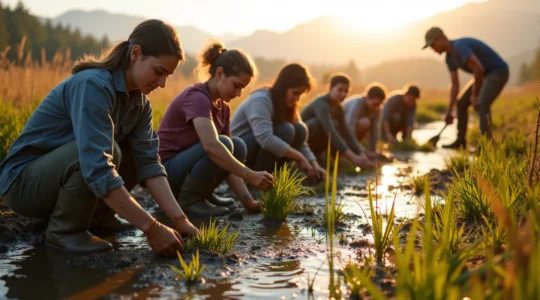
Beyond the License: How to Actively Restore Your Local Public Lands
In summary: Choose a conservation group like Trout Unlimited or Ducks Unlimited based on your specific habitat interests—coldwater streams versus wetlands. Understand that your hunting license and gear purchases directly fund conservation through mechanisms like the Duck Stamp and the…
Read more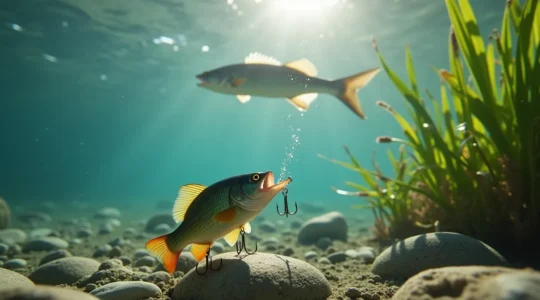
Why Switching to Biodegradable Soft Plastics Saves Lake Ecosystems for Future Generations?
Switching to biodegradable lures isn’t just about reducing plastic waste; it’s a critical engineering decision to prevent the direct poisoning of the aquatic food web with toxic chemicals like phthalates leached from traditional PVC baits. Traditional PVC (polyvinyl chloride) baits…
Read more
Beyond the Basics: A Hunter’s Masterclass in ‘Leave No Trace’ Camp Ethics
In summary: Effective ‘Leave No Trace’ for hunters goes beyond basic rules; it requires understanding the ecological ‘why’ behind each action. Properly disposing of human waste, campfire ashes, and even soap requires specific techniques to prevent long-term ecosystem damage. Honoring…
Read more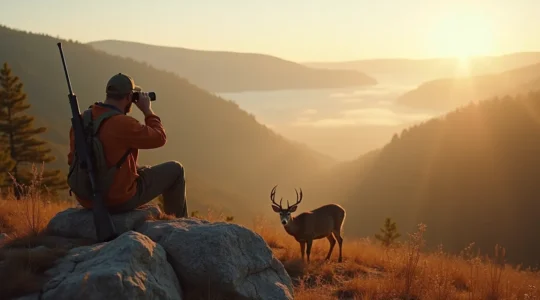
Why Fair Chase Principles Are Critical for the Future of Public Hunting?
Fair Chase is not merely a set of rules to follow; it is the internal ethical framework that gives hunting its meaning and secures its future in a skeptical world. It demands the hunter prioritize woodsmanship and personal skill over…
Read more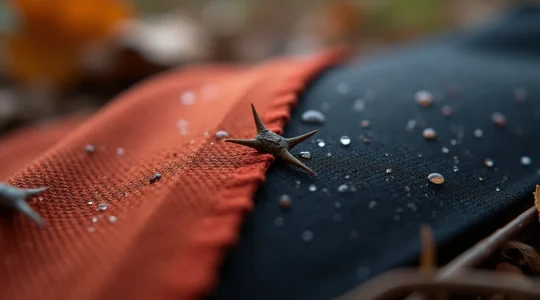
Kevlar vs. Cordura: A Durability Test for Briar-Proof Performance
Contrary to popular belief, no single fabric—not even Kevlar—offers a perfect solution for briar protection; true durability comes from a complete system. Cordura offers superior, more practical performance for briar resistance due to its weave and availability, while Kevlar’s strengths…
Read more
The Rule of Threes, Mastered: How to Prioritize Survival Actions When Minutes Matter
Relying on the simple “Rule of Threes” is a common mistake; true survival depends on understanding the strategic ‘why’ behind each priority. Shelter isn’t just about getting out of the rain; it’s about a precise calculation of caloric cost versus…
Read more
Full-Grain vs Split Leather: Which Resists Abrasion Better in Thorny Scrublands?
True durability in harsh environments is not determined by a material’s thickness, but by how its micro-structure manages stress and moisture to prevent catastrophic failure. Full-grain leather’s intact fiber matrix allows it to stretch and develop a protective patina under…
Read more